
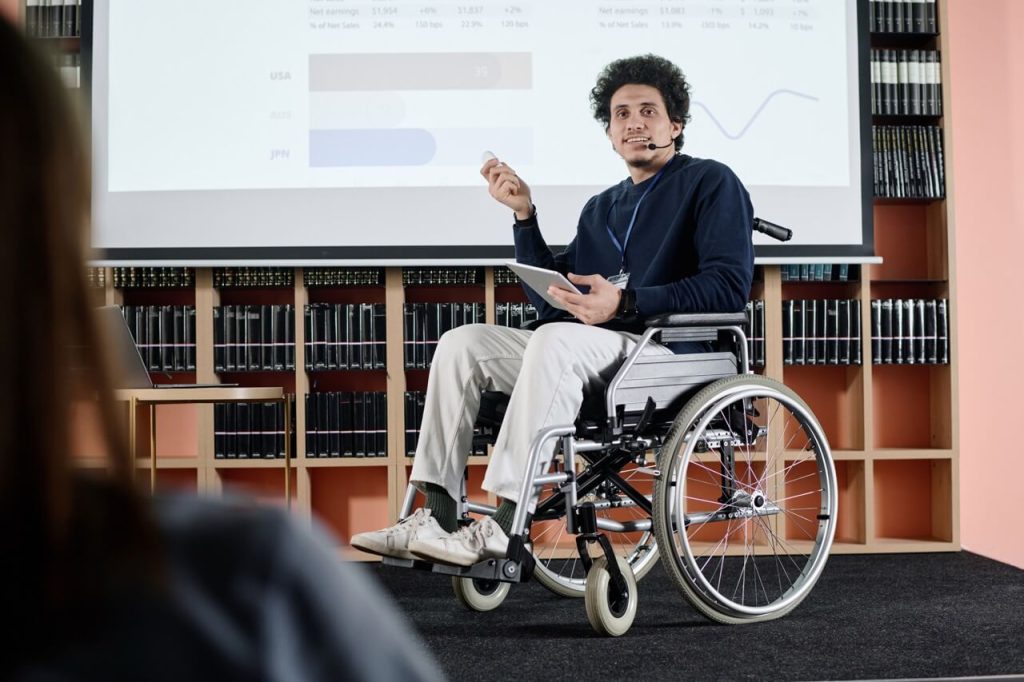
In today’s world, discussions around disability inclusivity have gained momentum, but there remains much work to be done. Despite increased awareness, numerous organisations still struggle to engage effectively with disabled speakers and incorporate their valuable insights into their everyday practices. This blog post aims to elucidate the importance of collaboration between disabled individuals and organisations to foster inclusive environments that celebrate diversity. By highlighting lived experiences, we will illustrate how these shared insights can drive significant change in promoting disability awareness and ensuring that everyone is welcomed and supported.
At Ability Consultancy, we firmly believe in the power of collaboration. The lived experiences of disabled speakers are not just compelling narratives; they are essential tools that can transform workplaces and communities. This post will explore the fundamental role these experiences play in shaping effective inclusivity practices, the strategies organisations can adopt to effectively collaborate with disabled individuals, and the numerous benefits that stem from such partnerships. Additionally, we shall delve into real-life examples of successful inclusive initiatives, the significance of storytelling in promoting awareness, and the ways in which we can collectively challenge societal perceptions through shared experiences.
Lived experiences are the cornerstone of effective disability inclusivity practices. These personal insights offer a unique perspective that cannot be replicated through theoretical training or policy alone. When organisations engage with disabled speakers, they gain access to authentic narratives that reflect the day-to-day realities faced by disabled individuals. This, in turn, can drive greater empathy and understanding amongst team members, promoting a culture of inclusivity and respect.
For organisations wondering how they can support disabled speakers, it is essential to create platforms for these individuals to share their stories and experiences. By doing so, organisations not only validate the voices of disabled individuals but also foster an environment where everyone feels empowered to contribute. Furthermore, incorporating these lived experiences into training materials and corporate policies can lead to more relevant and impactful disability awareness initiatives.
By actively listening to disabled speakers, organisations can identify gaps in their inclusivity practices and implement changes that address these issues. This continuous feedback loop allows for more effective adaptations, ensuring that policies not only exist on paper but are reflected in the workplace culture. Ultimately, the integration of lived experiences into an organisation’s framework can drive transformative change, making workplaces more equitable and supportive for all employees.
To foster genuine partnerships between disabled individuals and organisations, certain strategies must be employed. Firstly, it is crucial for organisations to approach collaboration with humility and an open mind. This means recognising that experts on disability are often those who live with it daily and valuing their input as fundamental to effective change. Establishing open lines of communication is vital, allowing for a space where conversations can thrive and mutual understanding can grow.
Engaging disabled speakers in training processes is one of the most effective strategies for organisations looking to enhance their disability inclusivity practices. This involves not only inviting speakers to share their stories but also facilitating discussions that encourage participation and dialogue. Offering workshops and public speaking opportunities where disabled individuals can express their perspectives can create a collaborative environment where both parties learn from one another.
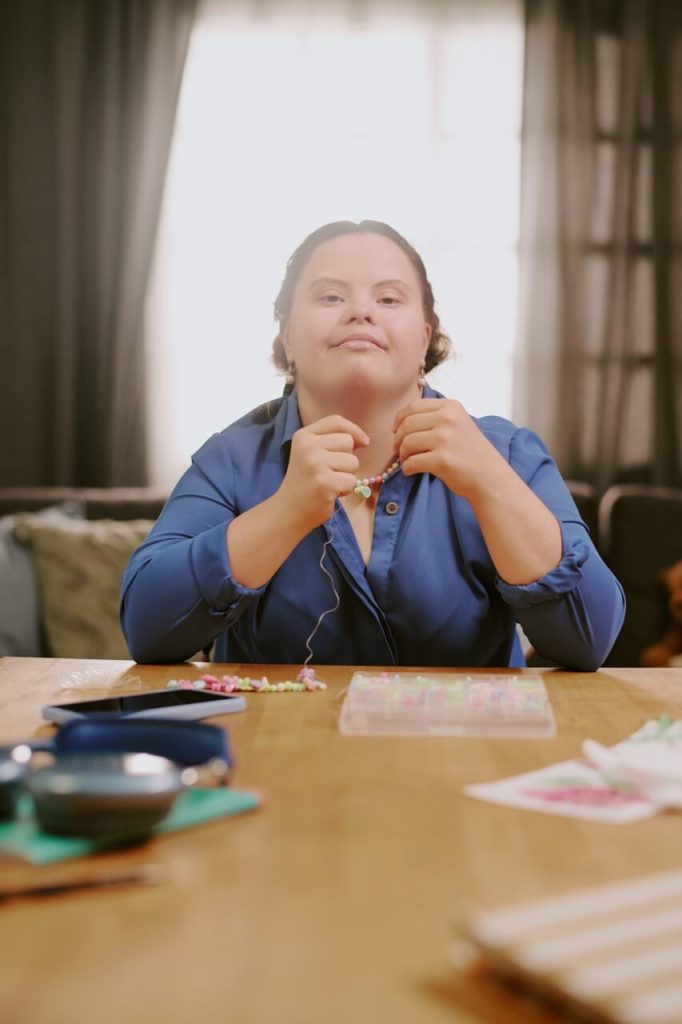
Additionally, organisations should invest in building long-term relationships with disabled speakers and advocacy groups. By recognising these partnerships as ongoing rather than one-off engagements, organisations can benefit from a sustained dialogue that evolves over time. This approach not only enriches the organisation’s understanding of disability but also cultivates trust and respect, which are paramount for successful collaboration.
Numerous organisations have successfully championed inclusivity through intentional collaboration with disabled speakers, serving as beacons of good practice. For instance, a well-known UK-based tech company launched an internal initiative to improve accessibility after engaging with disabled employees and speakers. By holding regular focus groups, they were able to collect invaluable feedback that directly informed their product development processes, resulting in software that meets the needs of all users, including those with disabilities.
Another inspiring example comes from an education institution that collaborated with disabled speakers to remodel their approach to student engagement. By incorporating student experiences into their training programme for staff, the university saw a remarkable increase in student satisfaction and participation rates among disabled students. As a result, they not only improved their practices but helped create a more inclusive atmosphere across their campus.
These examples illustrate the tangible benefits of collaboration in disability awareness. When organisations actively seek out and integrate the perspectives of disabled individuals, they not only enhance their services but also foster environments where everyone can thrive. Such initiatives highlight the critical role that disabled speakers play in championing inclusivity across various sectors.
Storytelling is a powerful tool for driving understanding and awareness around disability inclusivity. When disabled speakers share their lived experiences in a narrative form, they can humanise complex issues, making them more relatable and impactful to audiences who may have no previous exposure to these challenges. This narrative approach fosters genuine connections and emotions, encouraging listeners to reflect on their own perceptions and assumptions about disability.
Organisations can harness the power of storytelling through various mediums, whether it be through public speaking engagements, social media campaigns, or internal newsletters. By sharing diverse narratives that encapsulate different aspects of disability, organisations can illuminate the spectrum of experiences faced by disabled individuals, breaking down stereotypes that often plague society. This can shift mindsets, leading to increased awareness and a more compassionate understanding of the barriers that exist.
Moreover, storytelling helps to normalise conversations around disability within workplaces and educational settings. When organisations highlight stories from disabled individuals, they contribute to a culture of openness where diversity is celebrated and authenticity is valued. This not only boosts morale but also encourages others to engage in similar conversations, paving the way for broader societal change.
Despite progressive movements towards inclusivity, societal perceptions of disability can be entrenched and negative. Sharing lived experiences is an effective strategy for challenging these outdated viewpoints. When organisations partner with disabled speakers to showcase their strengths, talents, and contributions, they can significantly shift public perceptions about disability.
Through collaborative initiatives and storytelling, organisations can amplify the voices of disabled individuals, encouraging society to view them not as individuals with limitations but as empowered contributors with unique insights. By promoting positive narratives that celebrate ability and resilience, we can dismantle the myths that often perpetuate stigma and discrimination.
Collaborative efforts can also extend beyond the walls of organisations into the community, sparking broader discussions on disability inclusion. By engaging in public platforms and dialogues, disabled speakers can educate and inspire change within their communities. This fosters a ripple effect, challenging not only workplace norms but societal attitudes at large, cultivating a more inclusive and accepting environment for everyone.
Collaboration between disabled speakers and organisations is not just beneficial; it is essential for breaking down barriers to inclusivity. By harnessing the power of lived experiences, organisations can drive meaningful change, enhance their practices, and foster environments that truly celebrate diversity. As we have discussed, effective strategies, inspiring examples, and the importance of storytelling can collectively transform societal perceptions of disability, paving the way for a more inclusive future.
Now is the time for action, organisations must start fostering partnerships with disabled individuals to unlock the potential of collaboration. By investing in these relationships and creating spaces for shared experiences, we can ultimately create workplaces and communities that are not only more inclusive but also richer in diversity and creativity. Let’s work together to break down these barriers and redefine what inclusivity truly means.
Latest Posts
It’s a question that gets searched thousands of times every month: “Is autism a disability?” And legally, the answer is [...]
Imagine walking into a school where every student, regardless of their ability, background, or learning style, feels genuinely seen, valued, [...]
Every July, Disability Pride Month lets us celebrate disabled people. Now is the time to challenge stereotypes. Let’s celebrate the [...]