In our ever-evolving society, technology is no longer a luxury; it is a necessity that has the power to shape lives fundamentally. One of the most significant areas where technology can effect real change is in enhancing accessibility for individuals with disabilities. From students in classrooms to employees in the workplace, technological advancements are paving the way for a more inclusive environment. In this blog post, we will explore the latest innovations that are not only improving disability awareness in workplaces but also transforming educational spaces, ultimately fostering an equitable future for everyone.
The focus on inclusivity is more important than ever as we strive to dismantle barriers and open doors. Notably, many organisations still grapple with how to enhance accessibility for individuals with disabilities, often overlooking the assistive technologies that can be put into practice. By embracing these innovations, we can create supportive environments, combat discrimination, and celebrate diversity in all its forms. Join us as we delve into the technologies that are making strides towards inclusivity and discover the real-world examples of how these tools are reshaping our communities.
The technological landscape offers an array of tools that enhance accessibility, making daily activities more manageable for individuals with disabilities. For instance, speech recognition software allows users to dictate documents, execute commands, or browse the internet without the need for physical input devices. This innovation is particularly beneficial for individuals with limited mobility or dexterity challenges, allowing them to engage more fully in both professional and academic environments.
Another groundbreaking advancement is the availability of screen readers that convert text into audible speech, aiding those with visual impairments. These tools can be integrated seamlessly into various platforms and applications, ensuring that individuals have equal access to information that is otherwise difficult to navigate. Furthermore, mobile apps designed specifically for people with disabilities are providing innovative solutions, from navigation assistance to educational support, making it easier for users to interact with the world around them.
Moreover, advancements in artificial intelligence (AI) are paving the way for tailored accessibility solutions. AI can adapt to the specific needs of individuals, learning their preferences over time and providing a more personalised experience. This level of customisation not only enhances usability but also encourages greater independence. By harnessing these technologies, organisations can foster an inclusive atmosphere where everyone feels valued and empowered to contribute.

There are numerous examples of organisations effectively implementing technology to enhance accessibility and promote inclusivity. One notable case is that of a UK educational institution that recently adopted a comprehensive e-learning platform equipped with various assistive technologies. By integrating features like captioned videos, screen reading capabilities, and voice-to-text tools, they created an educational environment where all students, regardless of ability, could thrive. This implementation resulted in increased engagement among students with disabilities, ultimately leading to improved academic outcomes.
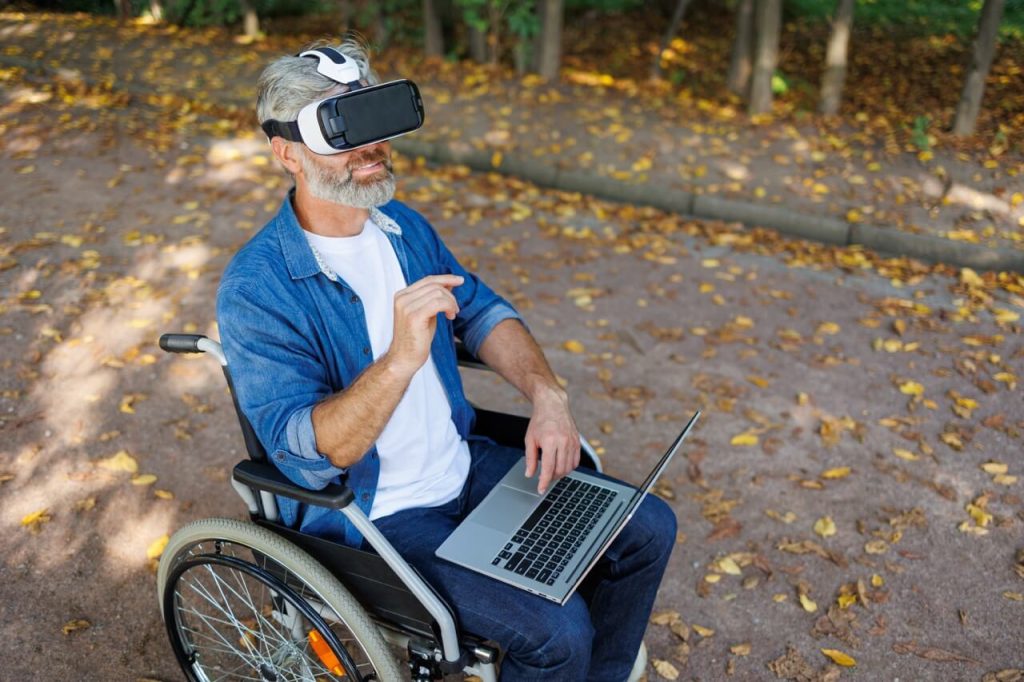
In the corporate sphere, leading tech companies have implemented virtual reality (VR) training sessions aimed at increasing disability awareness among its employees. By simulating the experiences of individuals with disabilities, the company fosters empathy and understanding within its workforce. Employees engage with scenarios that challenge their perceptions and encourage dialogue around inclusivity. Such VR initiatives serve not only to create disability awareness in the workplace but also to prompt actionable changes in company culture and practices.
Additionally, local community groups have successfully launched inclusive sports programmes that utilise technology to enhance participation for individuals with disabilities. For example, specifically designed sports equipment and digital platforms to organise events have enabled better access and greater involvement in activities. With these initiatives, participation rates have soared, showcasing how technology can genuinely transform experiences and break down societal barriers.
Creating an inclusive workplace and educational environment is fundamental for promoting equality and diversity. The presence of diverse perspectives enriches decision-making processes and drives innovation, which ultimately benefits organisations as a whole. Research indicates that workplaces embodying inclusive practices see enhanced employee satisfaction and retention, leading to increased productivity and overall success.
In educational contexts, inclusivity not only benefits students with disabilities but also teaches empathy and fosters a sense of belonging among all learners. When students see their peers thriving, it creates an environment where differences are celebrated rather than shunned. Implementing technology that enhances accessibility is a critical aspect of this environment, as it allows all students to engage fully with their peers and educational content.
Moreover, inclusive practices facilitate compliance with the Equality Act 2010, ensuring that organisations meet their legal obligations while fostering a culture of respect and consideration. By proactively embracing inclusive technologies and practices, organisations signal their commitment to equity and can become leaders in their respective sectors. This ethos not only enhances their reputation but also positions them as attractive employers and educational institutions for a diverse cohort of students and employees.
Looking to the future, the landscape of assistive technology promises exciting advancements that will continue to enhance disability inclusion. As we move towards an increasingly digital world, we can expect to see a rise in personalised technologies powered by machine learning and AI. These innovations will offer unprecedented levels of support, helping users navigate challenges in real-time while learning and adapting to their unique needs.
Furthermore, the integration of smart home technologies stands to revolutionise the independence of individuals with disabilities. Devices such as voice-activated assistants and smart appliances will not only support daily living tasks but will also provide valuable companionship and assistance. The marriage of accessibility and smart technology opens doors to a future where autonomy and security coexist harmoniously.
Lastly, an emerging trend is the growth of community-driven platforms that prioritise inclusive design in app development. These platforms encourage co-creation and user feedback, ensuring that the needs of individuals with disabilities are placed at the forefront of technological innovation. Such collaborative efforts will ensure that future advancements are truly representative of the diverse population they serve, embodying the spirit of inclusivity in all its forms.
As we navigate the path towards a more inclusive future, it is imperative for organisations across various sectors to adopt inclusive practices and invest in the technologies that support them. By taking the initiative to enhance accessibility for individuals with disabilities, organisations not only comply with legal requirements but also gain a competitive advantage by attracting diverse talent and fostering creativity. At Ability Consultancy, we are dedicated to guiding organisations through this transformative journey, offering accredited training, consultancy, and practical workshops aimed at embedding inclusive practices within their frameworks.
We encourage educational institutions, corporations, and community groups to partner with us and learn how to implement effective strategies that promote inclusivity. Together, we can break down barriers, challenge perceptions, and create spaces where all individuals feel valued and empowered. Embrace technology as an ally in your quest for inclusivity, and join us in shaping a future that respects and celebrates diversity in every form.
In this rapidly changing world, now is the time to take decisive action. Let us work hand in hand to foster environments where everyone, irrespective of ability, can thrive. Get in touch to learn more about how we can assist you in this vital mission.
Latest Posts

It’s a question that gets searched thousands of times every month: “Is autism a disability?” And legally, the answer is [...]
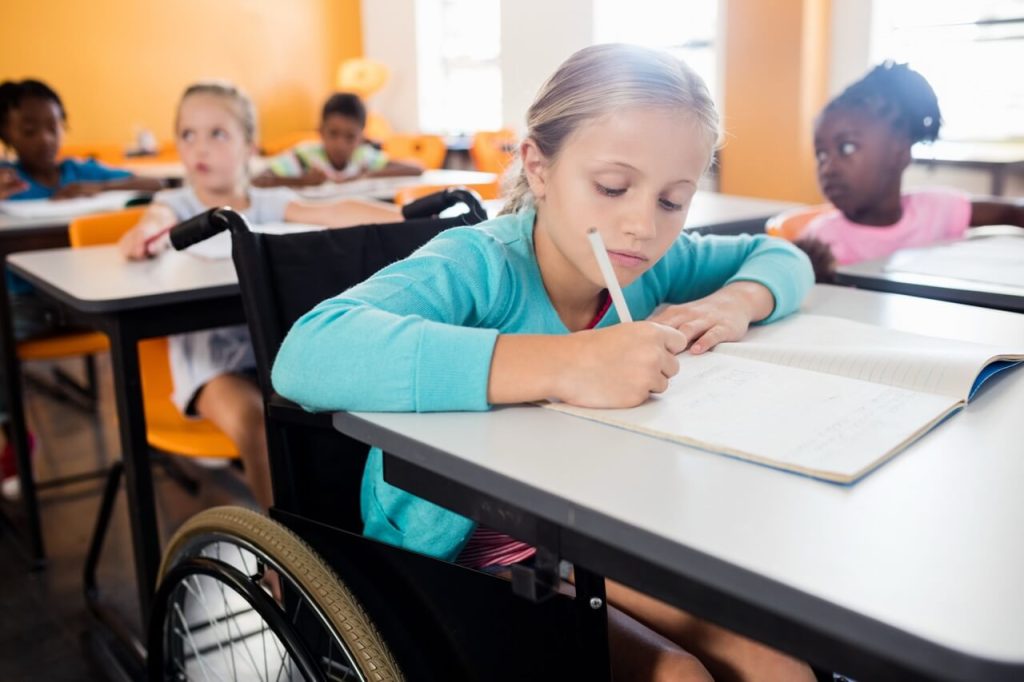
Imagine walking into a school where every student, regardless of their ability, background, or learning style, feels genuinely seen, valued, [...]
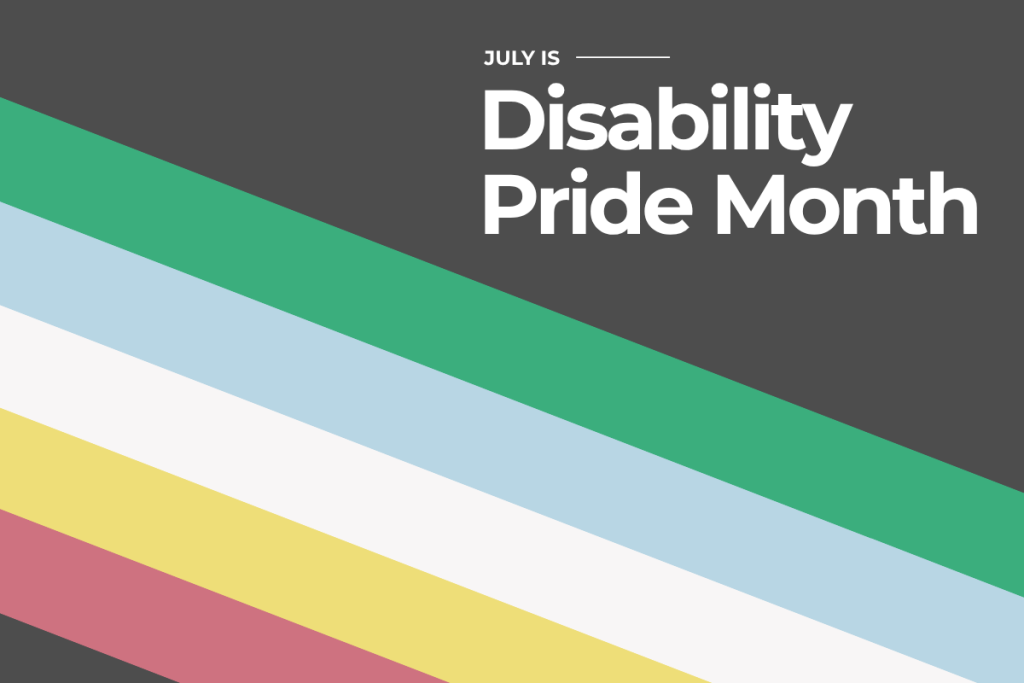
Every July, Disability Pride Month lets us celebrate disabled people. Now is the time to challenge stereotypes. Let’s celebrate the [...]