
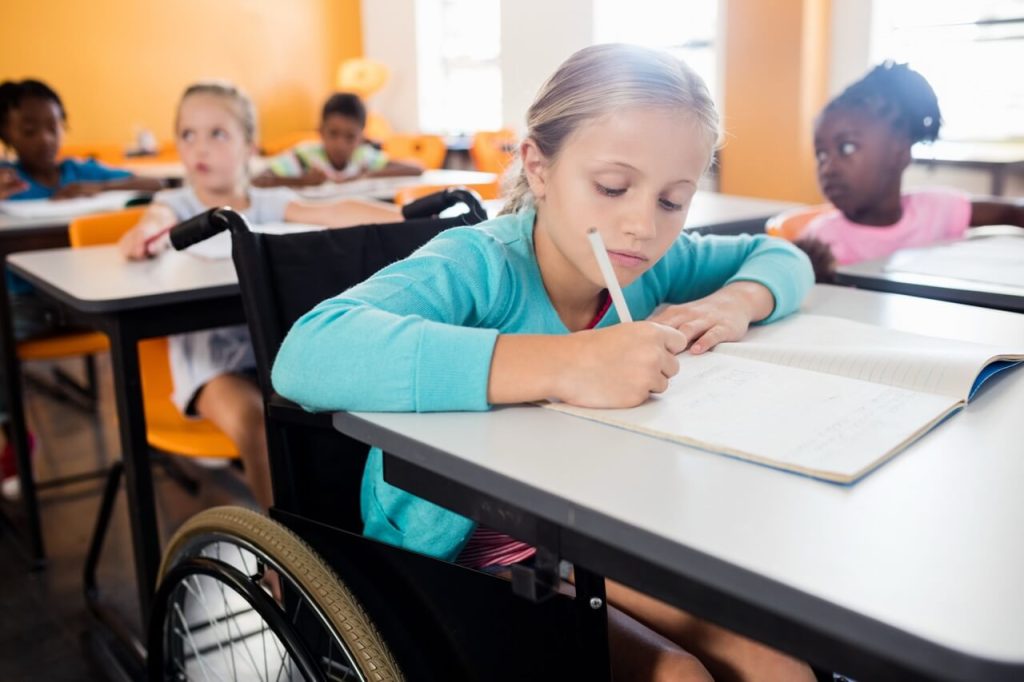
Imagine walking into a school where every student, regardless of their ability, background, or learning style, feels genuinely seen, valued, and supported. It sounds simple, yet for many educational institutions across the UK, it remains an aspiration rather than a reality. The gap between intention and action in inclusive education is often wide, and the responsibility for bridging it falls squarely on the shoulders of school leadership. Understanding how to foster inclusive leadership in schools is not merely a matter of policy compliance; it is a moral commitment to every young person who passes through the school gates.
In recent years, the conversation around diversity and inclusion in education has grown louder and more urgent. Schools are increasingly diverse environments, with students presenting a vast spectrum of learning needs, cultural backgrounds, disabilities, and neurological profiles. Yet many leadership teams find themselves ill-equipped to respond meaningfully to this complexity, relying on outdated frameworks or one-size-fits-all approaches that serve some students well whilst leaving others behind. The result is an educational experience that is uneven, inequitable and, for far too many young people, damaging to their confidence and long-term outcomes.
This blog post sets out to unpack the concept of inclusive leadership in education and explore why it matters more than ever. We will examine real-life examples of schools and organisations that are getting it right, explore the measurable impact that inclusive environments have on student outcomes, and offer practical steps for educators who are ready to move beyond tokenistic gestures towards genuine, systemic change.
We will also consider the irreplaceable role that lived experience plays in truly understanding diversity, a perspective championed by organisations such as Ability Consultancy, whose work with schools is transforming how educators think about disability, empathy, and inclusion. Whether you are a headteacher, a classroom teacher, or a support staff member, this post is for you.
Inclusive leadership, at its core, is a style of leadership that actively recognises, respects, and responds to the diverse needs of all individuals within an organisation. In an educational context, this means that school leaders make deliberate, informed decisions that ensure every student, including those with disabilities, Special Educational Needs (SEN), or from marginalised communities, has equitable access to high-quality education and a sense of genuine belonging. It is not simply about ticking boxes on an Equality and Diversity action plan; it is about embedding a culture of inclusion into the very DNA of an institution. Inclusive leaders ask not just “Are we compliant?” but “Are we truly serving everyone?”
The importance of inclusive leadership in schools cannot be overstated. Research consistently shows that students who feel included and valued by their school community perform better academically, demonstrate stronger social and emotional wellbeing, and are more likely to remain engaged with education over the long term. Conversely, students who feel excluded, overlooked, or misunderstood are at significantly greater risk of disengagement, poor mental health, and underachievement. School leaders set the tone for the entire institution, and when they model inclusive values from the top down, those values permeate classrooms, corridors, and playgrounds alike.
Inclusive leadership also demands a willingness to challenge the status quo. Many schools operate on inherited systems and assumptions that were never designed with all students in mind — timetabling, assessment methods, physical environments, and communication styles that inadvertently disadvantage disabled students or those with neurodivergent profiles. A truly inclusive leader identifies these structural barriers and takes responsibility for dismantling them, even when doing so is uncomfortable or resource-intensive. This requires courage, humility, and a genuine desire to learn from those with lived experience of exclusion.
It is worth noting that inclusive leadership is not the sole preserve of headteachers or senior leadership teams. Every educator in a school has a leadership role in some form; whether leading a classroom, a year group, a subject department, or an extracurricular activity. When all staff members embrace inclusive leadership principles, the cumulative effect on the school community is profound. Asking how schools can promote diversity and inclusion is the right question, but the answer must involve leadership at every level, not just from the top.
Across the UK, a number of schools and educational organisations are demonstrating what genuine inclusive leadership looks like in practice, and the results are compelling. One outstanding example is the work carried out by Ability Consultancy through our “See Me Not My CP” schools programme. Designed for students aged 8 to 16, this interactive programme brings disability awareness to life not through dry policy documents, but through engaging, hands-on sessions that build empathy and reduce stigma. Delivered by people with lived experience of disability, it fits seamlessly into the PSHE curriculum and uses sport as a powerful tool for team-building and inclusion — transforming how young people think about difference.
What makes the “See Me Not My CP” programme particularly effective is the use of disability simulation equipment, such as wheelchairs and visual impairment goggles, which allows students and staff to experience something of the everyday realities faced by disabled individuals. This experiential approach cuts through assumptions and stereotypes in a way that a traditional lesson simply cannot. When a student spends even a short time navigating a school corridor in a wheelchair, they begin to understand, viscerally, not just intellectually, the barriers that their disabled peers encounter daily. This shift in perspective is the foundation of genuine empathy, and empathy is the foundation of inclusion.
Beyond specialist programmes, some schools have made structural changes to their leadership approach that have had a lasting impact. For example, schools that have established student voice groups with explicit representation from disabled students and those with SEN have reported better decision-making around accessibility, timetabling, and pastoral support. When students with diverse needs are given a genuine platform to contribute to school policy, the result is an environment that reflects their reality rather than an imagined version of it. This kind of participatory approach is a hallmark of inclusive leadership and one that any school can begin to implement without significant financial investment.
Sporting organisations and physical education departments have also emerged as unexpected champions of inclusivity in recent years. By adopting frameworks such as the STEP model, which adapts the Space, Task, Equipment, and People involved in any physical activity, PE teachers have been able to make sport genuinely accessible to all students, including those with physical or cognitive disabilities. Inclusive PE is not about watering down sport; it is about reimagining how sport is delivered so that every student can participate meaningfully. Schools that have embraced this approach report not only improved physical participation rates among disabled students, but a broader cultural shift in how all students relate to one another.

The evidence for the positive impact of inclusive educational environments on student outcomes is both substantial and growing. Students who learn in genuinely inclusive settings; where their diverse needs are understood and accommodated, consistently demonstrate higher levels of academic engagement, improved attendance, and greater self-confidence. For disabled students in particular, an inclusive environment can be transformative, providing not just academic support but the social affirmation that they belong, that they are capable, and that their presence enriches the community around them. This sense of belonging is not a soft, peripheral benefit; it is a fundamental driver of educational achievement.
For non-disabled students, inclusive environments offer equally significant benefits. Research shows that students who learn alongside peers with diverse abilities and backgrounds develop stronger empathy, communication skills, and problem-solving capabilities; all attributes that are increasingly prized in the modern workplace. When schools model inclusion effectively, they are not only preparing disabled students to thrive; they are preparing all students for life in a complex, diverse society. The classroom becomes a microcosm of the world, and the lessons learned there about respect, patience, and collaboration have lifelong value.
It is also important to consider the impact of exclusion, which is the shadow side of this conversation. Students who experience exclusion — whether through physical inaccessibility, social marginalisation, or a curriculum that does not reflect their identity — often internalise the message that they are less worthy than their peers. Over time, this erodes self-esteem, reduces academic ambition, and can contribute to mental health difficulties that persist well into adulthood. The cost of failing to foster inclusive leadership in schools is therefore not simply measured in exam results, but in the long-term life outcomes and wellbeing of vulnerable young people.
Organisations like Ability Consultancy understand this impact at a deeply personal level, because our work is rooted in the lived experience of disability rather than abstract theory. Founder Claire Buckle, a retired GB Para athlete with Cerebral Palsy, speaks to teachers and students about the realities of growing up disabled, she is not reciting statistics from a research paper. She is sharing the truth of her own educational journey, and that truth has the power to change minds, shift attitudes, and ultimately transform the learning environments that disabled students inhabit. This is why lived experience is not a supplementary element of inclusive education, it is central to it.
For many educators, the desire to be more inclusive is genuine but the path forward can feel unclear or overwhelming. The good news is that embracing inclusivity does not require a complete institutional overhaul overnight; it begins with small, deliberate steps that accumulate into meaningful cultural change. The first and perhaps most important step is for educators to invest in their own professional development around disability awareness and inclusion. Completing CPD-accredited training, such as the online courses offered by Ability Consultancy, written by disabled people themselves; provides educators with accurate, nuanced knowledge that moves beyond stereotypes and misconceptions.
The second practical step is to conduct an honest audit of your school’s current environment and practices. This means asking difficult questions: Is our physical environment fully accessible to wheelchair users? Do our communication materials cater to students with visual or cognitive impairments? Are our assessment methods flexible enough to accommodate diverse learning profiles? Are disabled students represented in our extracurricular activities, student councils, and school communications? These questions can feel uncomfortable, but they are essential. A school that knows where its gaps are is in a far stronger position than one that assumes it is already doing enough.
Third, educators should actively seek to build relationships with specialists and organisations that bring lived experience expertise to the table. Working with consultancies like ours, which offer bespoke in-person workshops, keynote speakers, and tailored school programmes, would allow schools to access insights and strategies that are grounded in real-world experience rather than theoretical frameworks. Inviting external experts into your school environment also signals to staff and students alike that inclusive leadership is a genuine institutional priority, not simply a policy exercise. This kind of external collaboration can catalyse internal culture change in ways that internal training alone often cannot.
Finally, educators must commit to sustaining inclusivity as an ongoing practice rather than a one-off initiative. This means embedding inclusive principles into school development plans, staff appraisal frameworks, and curriculum design. It means creating safe spaces for staff to ask questions, make mistakes, and learn without fear of judgement. It means genuinely listening to disabled students, their families, and the wider school community about what is and is not working. How schools promote diversity and inclusion effectively is less about grand gestures and more about consistent, courageous, daily practice at every level of the institution. Inclusive schools are built incrementally, one deliberate decision at a time.
One of the most powerful, and most frequently underestimated, resources available to educational leaders seeking to understand diversity is the lived experience of the people they serve. There is a profound difference between reading about the challenges faced by a student with Cerebral Palsy and hearing those challenges described by someone who navigates them every single day. Lived experience brings a specificity, an honesty, and an emotional authenticity to conversations about diversity that no textbook or policy document can replicate. When schools create genuine opportunities to hear from disabled individuals, neurodiverse students, and others from marginalised communities, they gain insights that are irreplaceable.
Ability Consultancy was founded on precisely this principle. The consultancy is run by disabled people, and our founder Claire Buckle has been open and unapologetic about the fact that her insight comes not from academic study but from living life as a disabled woman and competing at the highest level as a GB Para athlete. This authenticity is what makes the online courses, workshops and speaking engagements work so well: participants are not being lectured about disability from a theoretical remove; they are being invited into a real human story. The effect on educators who engage with this kind of training is often described as genuinely transformative, shifting their perspective from abstract awareness to active empathy.
For school leaders, embracing the role of lived experience means actively seeking out and amplifying the voices of disabled staff, students, and community members in decision-making processes. It means not making assumptions about what disabled students need, but asking them directly. It means reviewing how your school celebrates and represents diversity, not just through one-off awareness days, but through the representation embedded in the curriculum, displays, assemblies, and the adults who hold visible roles within the school. When disabled young people see themselves reflected in the leadership and culture of their school, they receive a powerful message: you belong here, and your perspective matters.
It also means acknowledging that educators, however well-intentioned, may carry unconscious biases and gaps in their understanding that can inadvertently harm the students they are trying to support. This is not a criticism; it is a reality of living in a society that has historically marginalised disabled people. The appropriate response is not defensiveness but curiosity and openness. Engaging with organisations that centre lived experience, participating in disability simulation activities, and attending keynote talks by speakers such as those from Ability Consultancy are all meaningful ways for educators to deepen their understanding and become more effective, more empathetic, and ultimately more inclusive leaders.
Fostering inclusive leadership in education is one of the most important and most rewarding commitments a school can make. Throughout this post, we have explored what inclusive leadership truly means, not as a compliance exercise, but as a deeply human practice rooted in respect, empathy, and a genuine desire to ensure that every student thrives. We have seen how real-life programmes, such as the “See Me Not My CP” schools initiative, demonstrate the transformative power of experiential, lived-experience-led education. We have examined the profound impact that inclusive environments have on student outcomes, for disabled and non-disabled young people alike, and offered practical, actionable steps that educators at every level can begin to implement today. Above all, we have argued that lived experience is not an optional add-on to inclusive leadership, it is its foundation.
The journey towards genuinely inclusive schools is not always a comfortable one, but it is an essential one. It asks educators to look honestly at their institutions, to question inherited assumptions, and to be guided not by what is convenient but by what is right. If you are ready to take the next step; whether that is exploring CPD-accredited disability awareness training, booking an in-person workshop for your staff team, or bringing a keynote speaker into your school community, we at Ability Consultancy are ready to walk alongside you. Our authentic, honest, and empowering approach, doesn’t tell you what you want to hear; it tells you what you need to know. And in the pursuit of truly inclusive education, that kind of honesty is exactly what schools need.
Latest Posts

It’s a question that gets searched thousands of times every month: “Is autism a disability?” And legally, the answer is [...]
Every July, Disability Pride Month lets us celebrate disabled people. Now is the time to challenge stereotypes. Let’s celebrate the [...]
There are moments that stay with you. Not because someone meant to hurt you, but because their words made you [...]