

It’s a question that gets searched thousands of times every month: “Is autism a disability?”
And legally, the answer is yes.
Under the Equality Act 2010, autism is seen as a disability if it significantly affects daily life for a long time.
The reason this question keeps coming up is that autism doesn’t always match society’s traditional view of disability.
For many people, when they hear the word “disability,” they picture what we might call traditionally recognised disabilities, something physical, visible, or immediately noticeable.
Autism can look very different. Many autistic people spend years feeling misunderstood or unsupported. Some are even told they “don’t seem disabled.”
But disability has never just been about visibility. Many autistic people face barriers daily. These include sensory overload, communication differences, and unpredictable environments. They also face social expectations, workplaces that aren’t accessible, and systems that don’t support neurodiversity.
And this is where the conversation becomes important. Because often, it’s not autism itself that disables somebody. It’s the environment around them.
An autistic person might do well in one job but struggle in another. This isn’t about their ability changing. It’s often about differences in the environment, communication style, or expectations.
That’s why the legal framework matters. The Equality Act isn’t meant to label people. It protects autistic individuals from discrimination. It also ensures they can access reasonable adjustments and support when needed.
And honestly, many of those adjustments benefit everyone:

Society is still discovering that disability is wider and more diverse than we learned. This is part of the challenge we face.
Not every disability is visible.
Not every disabled person will identify in the same way.
Not every autistic person will describe themselves as disabled.
But legally, protections hold significant importance. Language matters. Understanding matters. When we stop seeing disability just by what’s visible, we make spaces where more people really belong.
And maybe that’s the real conversation we should be having.
Not simply: “Is autism a disability?”
The journey towards genuine inclusivity is not always a comfortable one, but it is an essential one.
It asks workplaces and organisations to look honestly at their institutions, to question inherited assumptions, and to be guided not by what is convenient but by what is right.
If you are ready to take the next step; whether that is exploring CPD-accredited disability awareness training, including Neurodiversity In The Workplace, booking an in-person workshop for your team, or bringing a keynote speaker into your business, we at Ability Consultancy are ready to walk alongside you.
Our authentic, honest, and empowering approach, doesn’t tell you what you want to hear; it tells you what you need to know.
And in the pursuit of a truly inclusive society, that kind of honesty is exactly what people need.
Latest Posts
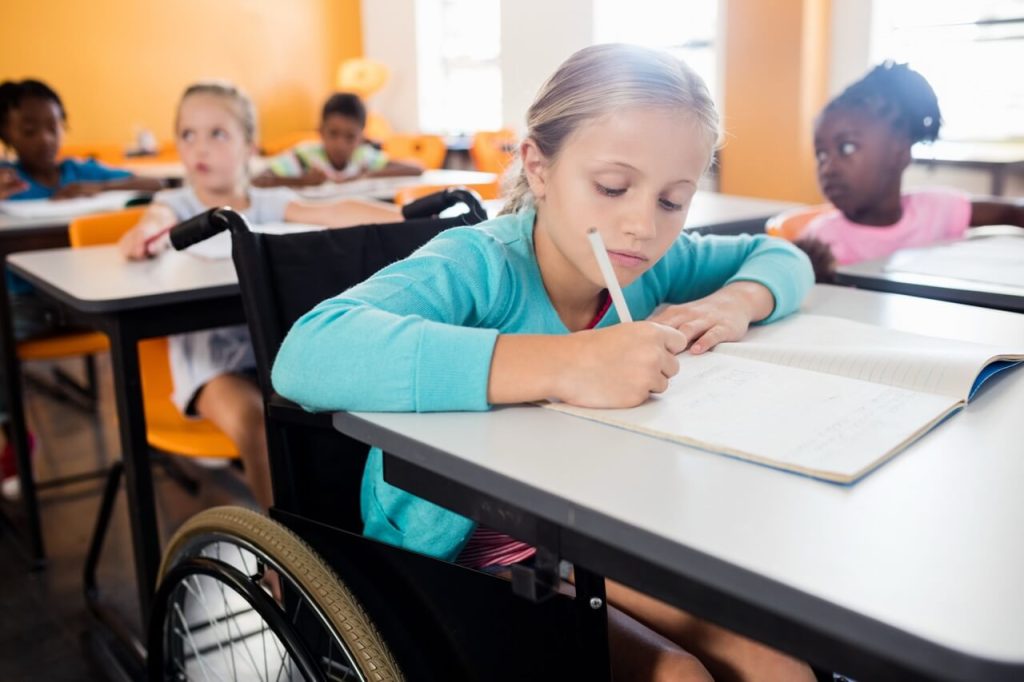
Imagine walking into a school where every student, regardless of their ability, background, or learning style, feels genuinely seen, valued, [...]
Every July, Disability Pride Month lets us celebrate disabled people. Now is the time to challenge stereotypes. Let’s celebrate the [...]

There are moments that stay with you. Not because someone meant to hurt you, but because their words made you [...]