
The Milano Cortina 2026 Paralympic Winter Games are set to commence on 6 March 2026, marking a significant milestone in the history of the Paralympic movement. This event not only celebrates athletic excellence but also underscores the importance of inclusivity and diversity in sports. For organisations striving to comply with the Equality Act 2010, understanding the six Para sports featured in these Games is essential.
The Milano Cortina 2026 Paralympic Winter Games will showcase six Para sports: Para alpine skiing, Para biathlon, Para cross-country skiing, Para ice hockey, Para snowboard, and wheelchair curling.
Each sport offers unique challenges and opportunities for athletes with disabilities, highlighting the Paralympic spirit of determination and resilience. These sports are not only competitions but also platforms for promoting inclusivity and breaking down societal barriers.
Para alpine skiing made its Paralympic debut in 1976, offering athletes with physical impairments the opportunity to compete in alpine events. Over the years, the sport has evolved to include various classifications, ensuring fair competition among athletes with different types of impairments. The introduction of sit-skiing has been particularly transformative, allowing athletes with lower limb impairments to participate fully.
Para alpine skiing events include downhill, slalom, giant slalom, super-G, and super combined, each with standing, sitting, and vision-impaired categories. Athletes use adaptive equipment tailored to their specific needs, such as sit-skis for those with lower limb impairments. The sport demands exceptional skill, speed, and agility, with athletes navigating challenging courses at high velocities.
Both Para biathlon and Para cross-country skiing were introduced in 1976, combining endurance and precision. Para biathlon involves skiing a set distance followed by shooting at targets, while Para cross-country skiing focuses on speed and technique over various distances. Advancements in adaptive equipment and classification systems have enabled athletes with visual impairments and physical disabilities to compete effectively.
Para biathlon combines cross-country skiing with rifle shooting, requiring athletes to ski a set distance and then shoot at targets. Para cross-country skiing focuses on skiing various distances, with events ranging from sprints to long-distance races. Both sports have classifications based on the type and extent of impairment, ensuring fair competition. Athletes with visual impairments ski with the assistance of a guide, and those with upper limb impairments may use adapted equipment.
Para ice hockey, also known as sled hockey, was added to the Paralympic programme in 1994. The sport is played on a standard ice rink with athletes using sledges and two sticks to move and shoot the puck. It has grown in popularity and competitiveness, with national teams from around the world vying for Paralympic glory.
Para ice hockey is played on a standard ice rink with athletes using sledges and two sticks to move and handle the puck. The sport is fast-paced and physically demanding, with players exhibiting remarkable strength and coordination. It is a mixed-gender sport, promoting inclusivity and teamwork among athletes of all genders.
Para snowboard was introduced in 2014, reflecting the growing inclusivity of winter sports. The sport features events like banked slalom and snowboard cross, with classifications based on the type and extent of impairment. Its inclusion in the Paralympic Games has inspired many athletes with disabilities to take up snowboarding.
Para snowboard events include banked slalom and snowboard cross, with classifications based on the type and extent of impairment. Athletes use adaptive equipment, such as specialized snowboards and bindings, to navigate courses that feature gates, jumps, and other obstacles. The sport combines speed, agility, and technical skill, with athletes racing against the clock and each other.
Wheelchair curling became a Paralympic sport in 2006, offering athletes with physical impairments the chance to compete in a team-based winter sport. The sport follows similar rules to Olympic curling, with teams of four athletes sliding stones towards a target area. The addition of mixed doubles in 2026 further enhances its appeal and inclusivity.
Wheelchair curling follows similar rules to Olympic curling, with teams of four athletes sliding stones towards a target area. Athletes use wheelchairs to deliver the stones, and the sport requires strategic thinking, precision, and teamwork. The addition of mixed doubles in 2026 introduces a new dynamic, allowing for mixed-gender teams and further promoting inclusivity.
The inclusion of these six Para sports in the Milano Cortina 2026 Paralympic Winter Games highlights the commitment to inclusivity and diversity within the Paralympic movement.
Each sport offers athletes with disabilities the opportunity to compete at the highest level, breaking down societal barriers and challenging perceptions about disability. By showcasing these sports, the Games inspire individuals and organisations to embrace diversity and promote equal opportunities for all.
The Milano Cortina 2026 Paralympic Winter Games offer a unique opportunity to celebrate the achievements of athletes with disabilities and to reflect on the importance of inclusivity and diversity in all aspects of society. By understanding the six Para sports featured in these Games, organisations can contribute to a more inclusive environment in all settings. Engaging with these sports not only enriches organisational culture but also demonstrates a commitment to equality and respect for all individuals.
As we look forward to the Milano Cortina 2026 Paralympic Winter Games, let us embrace the spirit of inclusivity and diversity, recognising the value and potential of every individual, regardless of ability.
For more information on promoting diversity and equality in your organisation, get in touch to discuss how Ability Consultancy can elevate your organisation’s culture to create an inclusive place for everyone. We also offer remote learning courses for organisations who want to upskill staff in understanding disability in a variety of environments.
Latest Posts

It’s a question that gets searched thousands of times every month: “Is autism a disability?” And legally, the answer is [...]
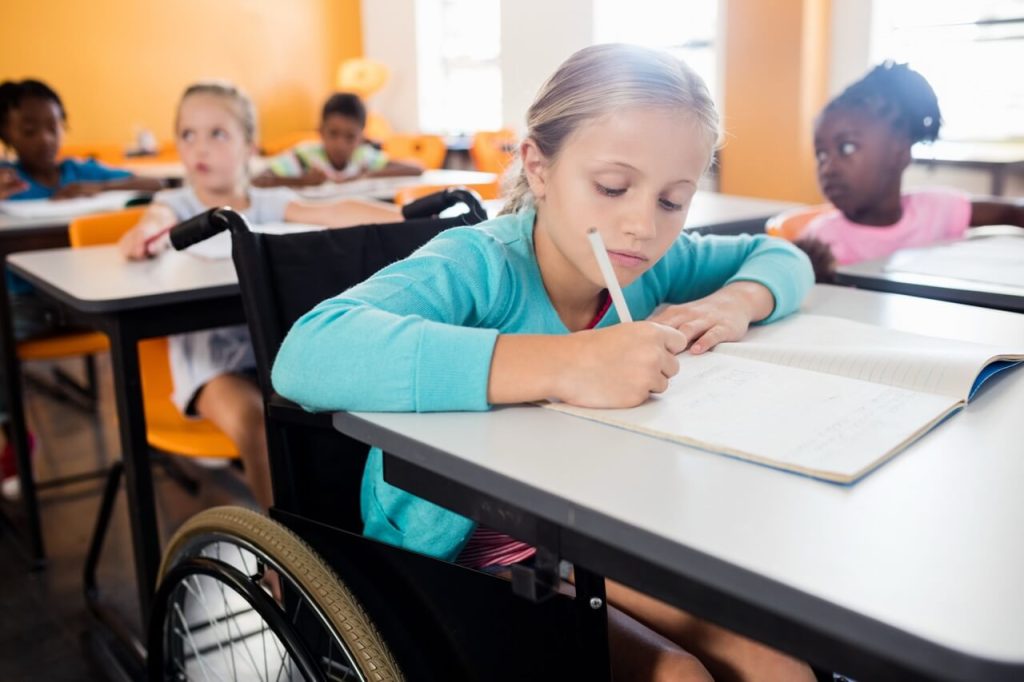
Imagine walking into a school where every student, regardless of their ability, background, or learning style, feels genuinely seen, valued, [...]
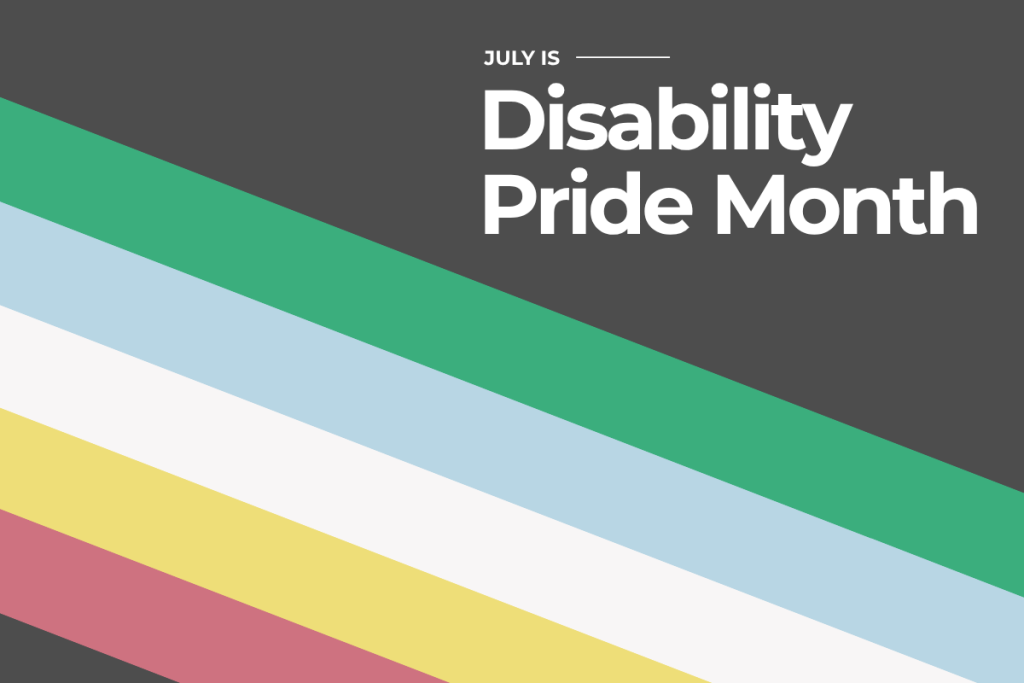
Every July, Disability Pride Month lets us celebrate disabled people. Now is the time to challenge stereotypes. Let’s celebrate the [...]